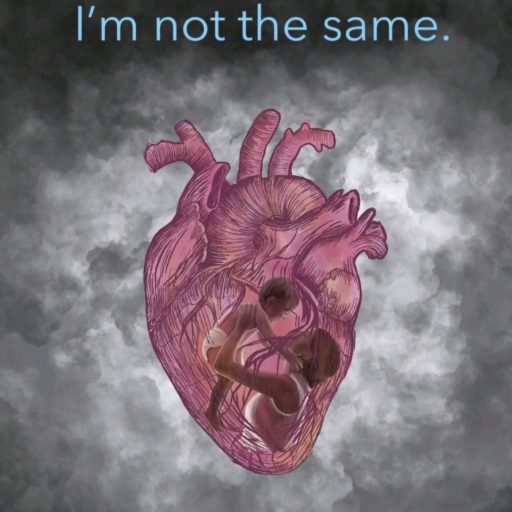

Breastmilk is truly a miracle of nature. It literally changes color when we are sick, indicating the antibodies our bodies are passing on to our babies! It even heals cuts! It provides “liquid gold” nutrition! If you have read previous posts on this blog, you will know that I survived a very severe episode of Postpartum Psychosis (PPP) in 2016. Because of the heavy-duty antipsychotics they prescribed to stabilize me, I did not get to nurse my now 5 year-old, Shiloh.
During my recent pregnancy with my daughter Vida, I prayed, sent out vibes to the universe, and crossed every finger and toe that not only would I not have a second episode of PPP, but that I would get to breastfeed this time. In the hospital, a nurse scared me into giving Vida a dose of formula and warned us that my atypical antipsychotic, Latuda, was probably contributing to her lethargy. Some postpartum anxiety and some major PTSD slid me into a fairly mild Manic episode, but, given the risk of a repeat episode of PPP, I was put on a huge dose of a new antipsychotic and 2 anti-anxiety meds, including Valium, to MAKE me sleep. While I was taking the Valium, I was not allowed to breastfeed, because it would likely make Vida drowsy and potentially make her sleep through feedings.
That might have been the end of my breastfeeding journey, but I was bound and determined to nurse Vida. I pumped-and-dumped (pumping breastmilk that you don’t plan to feed your baby and discarding it) and took Sunflower Lecithin (a supplement that helps prevent engorgement and Mastitis) for 8 long weeks to keep my supply up. Mind you, I was coming down from a Manic episode during this time, which meant that, mentally, I was not at my best. But, I managed to keep up a decent supply for the big day, two months into Vida’s life, when I tried to get her to latch with my breath held. She latched! My milk was finally safe for her! I was breastfeeding! I did it!
As the next 8 weeks went by, I gradually came down from my Mania and my psychiatrist titrated down my anti-anxiety meds. At this point I was, and am, doing all nighttime duties. Trying to nurse in the middle of the night was, pardon my language, a shit show. The antipsychotic made me so drowsy, that half the time I was shoving my breast into Vida’s forehead and getting shaken awake by her crying. I was tired. We had family and work obligations. And, because I wasn’t exclusively breastfeeding, but rather, supplementing formula with one or two bottles a day of breastmilk, I found it easier to skip pumping sessions and opted often to give Vida a bottle instead of the breast. Vida was still growing like a cute little weed and meeting all of her early milestones, and one day, my husband looked at me and said, “You should stop”. So I stopped. It was a little sad, and I did feel a a bit defeated, but deep down, I felt a healthy surge of relief.
My breastfeeding journey was short, and overall, not too painful, but the more I posted about the difficulties of nursing on social media, the more women messaged me and told me stories about deep distress surrounding exclusively breastfeeding. Some stories started in the hospital with traumatic births. Some stories included 3:00 AM panic attacks in the shower. Some stories included rage, at their partner, and babies, that was so unlike them that they were shocked.
This post is born from those stories. Women who reached out to me answered a survey based on some general themes I had gathered regarding negative experiences with breastfeeding. Their stories are shared in snippets below.
*Note: Some names are the respondents’ true identity, and some are pseudonyms.
Question 1: When you were pregnant, did you plan to breastfeed or formula feed your baby? Why did you make that decision?
Amanda: Breastfeed – I was told during my first pregnancy that “breast is best” and that it would help me connect more with my baby. During my second pregnancy, I decided I wanted to try again and see if I would have a different experience from the first time.
Danielle: I planned on breastfeeding with my daughter. I expected to breastfeed until she was at least a year old. With my son I remembered the difficulty from my daughter but I really wanted to try again.
Shelby: I planned to breastfeed while I was pregnant. I had several friends that were breastfeeding at the time, it just seemed like the best thing at the time.
Samantha: When pregnant, I planned to breastfeed because I felt like that was “best” for the babies. I wanted the chance to bond with them in that way but I also felt like I “should” do that because I read so much about how much “better” it was for baby to have my milk over formula. We also were concerned about how much more it would cost to buy formula for two babies. My husband and I also talked about how we needed to have no expectations and “fed was best” in the event something tricky happened with their birth or it was harder than we thought it would be. I felt somewhat pressured (by myself? by society?) but I was realistic as well, knowing it might not all go according to “plan.” (I believe that understanding came from our battle with infertility. We “should” have been able to have a baby “naturally” but it took over 3 years and countless shots, doctor appointments, procedures, surgeries, MONEY, and IVF to get there.)
Lauren: Breastfeed. I made that decision because I knew there were nutrients and antibodies that I could give the baby that formula wouldn’t. I also wanted to have that bond with the baby. Financially, I was very aware of cost of formula. Having debts already, a reduced paycheck, and the added medical bills I was much more concerned with the cost savings that might come with breastfeeding.
Marika: Planned to breastfeed. With first didn’t really give much thought either way, just kind of assumed I would breastfeed. [Second pregnancy] Breastfeed if I could because it has the most benefits.
Sara: Planned to breastfeed because I felt that is what was expected and best for my child.
Theresa: Panned to breastfeed, to save money and was told it was the best.
Question 2: When you were pregnant, did anyone (strangers, friends, family) try to push you towards either breastfeeding or formula feeding? How did this make you feel?
Meredith: Yes. Given my job with child development I knew it would happen but I didn’t realize how bad the pressure to not use formula would be.
Amanda: I had multiple family members tell me that breastfeeding would be the best thing for my babies. Friends would ask me, “So, do you plan on breastfeeding or are you using a bottle?” I wouldn’t say anyone pushed me, but I definitely felt some pressure. I felt like if I didn’t at least try to breastfeed, I would start out as a “bad mom”.
Danielle: I was very pushed to breastfeeding. In my parent prep class at the hospital they talked about breastfeeding as though it was the absolute best and practically only choice. They even told us that we would have to sign a waiver to give formula because it was putting foreign substances into the baby. Random extended family members (mostly men) asked if I was planning to breastfeed and said it was the only ways to properly feed a baby. Looking back it is crazy how many people thought they had a right to comment how I fed my child.
Shelby: I had one friend that was very pro breastfeeding, like for over 2 years with each of her kids. She talked to me a lot, it was mostly supportive and encouraging. I appreciated the honesty about breastfeeding.
Samantha: I feel like my sister kind pressured me to formula feed because she had such a hard time breastfeeding. As I look back on it, I feel like she was trying really hard to make it feel “okay” if I couldn’t breastfeed but it really made me feel irritated. It felt like she was saying I shouldn’t try so hard to breastfeed–it just wasn’t worth it. To me, it felt like even if there was struggle, it WAS worth it because I was doing something good for my babies. Feeding twins was hard. Needing to remember which baby started on which side and then switching the next feeding was impossibly difficult when I was alone. Breastfeeding one and bottle feeding another felt unfair. Not getting to breastfeed them because I couldn’t hold them safely if I was alone was a choice that was made for me. Not getting to breastfeed them at the same time because Autumn was too small and Owen was too impatient was a choice made for me. Never knowing how much they were getting and whether or not it was even/fair felt scary and upsetting because Autumn was SO small and needed so much more than Owen did. When we brought them to the first doctor appointment, I had to pump ahead of the appointment to have the bottles ready for them while we were there or right after we got back (can’t remember). It actually was the impetus for what turned into exclusively pumping for twins. It felt like a relief to me to know how much they were getting and that it was even. It was VERY hard but I stuck with it and always fed a bottle ahead while pumping for the next feed. I also had to supplement with formula very early. It was usually 4 bottles per feed.
Lauren: No, not really while I was pregnant. People generally supported my decision.
Marika: [First pregnancy] Not particularly. I felt more societal pressure to breastfeed and working in the medical community, I feel like there is more of an expectation to breastfeed since we know “breast is best.” My husband is a pediatrician, and while he never personally pushed me, it just felt like there was more pressure to do the “right” thing.
Sara: Huge focus on breastfeeding – formula was never mentioned. It sounded like breastfeeding was naturally best for the baby and formula wasn’t as healthy.
Theresa: Everyone but a few friends.
Question 3: When you gave birth, did you get the impression that the medical staff at the hospital wanted you to do one type of feeding over the other? Describe the circumstances. Describe how that made you feel.
Meredith: Yes. There were informational videos about breast-feeding and how it was best as well as lactation consultants who came around to help with massages and to get you to breast-feed and things like that. When I gave them my medical history that I likely could not breast-feed, they were [not] very encouraging and did not listen to me and silenced me saying, “Oh, everyone can breastfeed”. In my second pregnancy it led to some medical complications. I worked with a lactation consultant for the first seven months of my first child before they finally heard me that I couldn’t do it and I would end up spending literally all day trying to breast-feed my first child because I would try to breast-feed and pump and do the cycles on these time intervals that would end up running into each other, and it was exhausting there were never breaks.
Amanda: They immediately laid my children on my chest, which I appreciated. But then they immediately started working to get my baby to latch. They didn’t even ask if I was going to use a bottle. I honestly wasn’t thinking about it at the time. Both of my children were C-sections so I felt a little off.
Danielle: The hospital with my daughter definitely pushed breastfeeding. I struggled right away and the lactation specialist seemed to get frustrated with my difficulty and anxiety and kept saying it was “a natural ability”. They made a big deal when my daughter had jaundice to pump and still try to breastfeed even though I was recovering from a C-section and had to go from our room to the nursery every two hours, even though it meant going down two halls and down an elevator ( I had been discharged and was put in a family room). My experience with my son was better and the staff was more encouraging about doing what was best for both of us.
Shelby: I was asked if I wanted to breastfeed a couple of hours after giving birth and was given a hospital pump and parts to start pumping. I was given little instruction on it or information at the time. It was a little overwhelming to not really know what I was doing.
Samantha: I got the impression they wanted me to breastfeed until both babies weren’t gaining weight quickly enough. Then they wanted me to formula feed. We did both. There were lactation consultants who would shove my boob in the babies’ faces and try to help but I honestly don’t feel like I learned very much about what I would need to do once I was by myself. I also felt like they didn’t really explain how to pump. I was given a pump and told to pump but that was really it (I also almost never did it because we were so tired and I didn’t have a hands-free option…which I think ultimately led to my lack of supply which was a source of frustration for a full 6 months).
Lauren: There was a lactation consult at the hospital, so that was nice but when they came to the room they weren’t actually that helpful with me being a new momma. They did offer formula a couple times when the baby was crying and I was in my “just-gave-birth hormonal mess”. I didn’t feel like they were trying to stop me from breastfeeding. It was more of trying to help. With my daughter (the 2nd), they definitely supported my decision but I don’t remember getting a visit from a lactation consultant.
Marika: Formula was never offered in the hospital- I didn’t even think it was an option at this point. First time I didn’t know we could ask. So I can’t speak to shaming about this in particular. Lactation consultants did come in a few times while I was there. I felt like it was somewhat helpful but wasn’t given a lot of resources on what to do if I had questions after discharge. Second time my daughter was in the NICU and the lactation consultant seemed much more helpful about scheduling and using the pump – things I wish I would have known the first time around earlier on.
Sara: There are posters all over the hospital about “breast is best”, but my baby was spitting up blood after her first feeding, so she was immediately put on formula. When I tried to work with a lactation consultant, I felt like a failure when she said I was doing it all wrong and baby would never latch because she had formula.
Theresa: I was actually really frustrated because I wanted to try but there was a lot of strangeness with the nursing staff because one of our twins had a giant tongue and clearly had a genetic disorder that no one could identify right off. He also had very low blood sugar so they started bottle feeding ASAP. This and the fact that I was very sick from anesthesia seemed to keep them from helping me. I did rent a pump when I left and asked for a lactation consult but never got one. I wasn’t pushing too hard- so much was going on and it was two babies, a sick mom, and one with an unknown genetic condition.
Question 4: Was there anything about your birth story that was traumatic? Please describe this if you feel comfortable. If you answered, “Yes”, did any of that experience contribute to your choice of whether or not to breastfeed?
Meredith: With my first and I had an emergency C-section because his heart had stopped pumping blood out to his body; this was after 28 hours of no progressive labor, failed stripping of membranes, broken water by nurse, maxed out Pitocin, and mechanical balloons. It did not contribute to my decision.
Amanda: With my second baby, I had a panic attack right before they came in to prep me for the C-section. They didn’t ask how I was doing. I felt like a piece of equipment, not a human, giving birth.
It did not influence my decision.
Danielle: I wouldn’t consider it trauma, but it was challenging. I was induced and in labor over 16 hours before delivering by C-section with my daughter. She then had jaundice and was hospitalized for 2 days. Then we had an in-home set-up with the lights to fight her jaundice. My son’s birth was also a C-section but planned, so less shocking but he was gurgling a lot so he spent a long time in the nursery being monitored.
I still wanted to breastfeed but it affected my plans because I hoped to do skin-to-skin right away and try to latch quickly. Instead, we were separated while I was stitched up and taken to a recovery room. It was over an hour before I had my daughter and much longer for my son because they were monitoring him.
Shelby: Yes. I had to deliver at 33 weeks due to severe preeclampsia. I was on a magnesium sulfate drip for over 2 days because of my high blood pressure. It made me feel very foggy and tired. I was confined to bed for those 2 days from being induced to 24 hours after the delivery. I was unable to see my daughter until 26 hours after she was born except for a minute and that was one of the hardest parts.
[This did not directly affect my decision to breastfeed]. It was very hard to start pumping while still on drips and unable to get out of bed.
Samantha: Lots of it was traumatic. I was in labor for 56 hours before the babies made their debut. We were on the induction list for a long time and couldn’t go to our preferred hospital because it was too busy (meaning the NICU and the maternity ward were on different floors in different places and we thought we had a higher chance of needing the NICU because of the twins). When we did go, they struggled to start an IV for a long time, tried a bunch of things to induce me, all of the methods failed except for this one pill that eventually fell out 6 hours before it should have. (If it had stayed in there, it might have worked? Who knows?) Someone incorrectly measured my dilation and started me on Pitocin too soon, which did nothing and then labor stalled again after my water had broken. 24 hours after my water had broken, the 3rd or 4th doctor I saw kind of pushed me towards a C-section, and after 55 hours of nothing but pain, I relented and an hour later the babies were out and healthy.
Lauren: Not anything crazy. With my first i went in for an induction, but after 12 hours and the Pitocin as high as it would go I was only 3 cm and my water had been broken for too long. I had to go in for a C-section and that was not the original plan. It definitely made recovery more difficult. With the 2nd it was a planned C-section that went smoothly. Recovery was rougher since I had gas issues that cause nerve pain in my shoulder and I couldn’t sleep laying down in the bed. Plus I had an UTI from the catheter. Nothing traumatic, but definitely uncomfortable.
My experience did not affect my decision to breastfeed. I was actually very lucky in that way. Although I did have a problem keeping my supply up as my son (1st) got older.
Marika: Nothing traumatic about 1st birth except being overwhelmed with the transition to parenthood. 2nd birth- daughter was 6 weeks early and in NICU for 9 days. She had minimal issues, so I didn’t feel like I had the right to feel bad that she was early, but I carried guilt that I wasn’t able to do what I was supposed to do and protect her until she was term, or closer to term. I lived in survival mode going back and forth to the hospital and didn’t take time to process what happened at that time.
I felt like it made me more determined to “succeed”. I felt like I owed it to her because she was premature, and if I couldn’t carry her to term, I could at least do this for her. That, and the trauma of my first breastfeeding experience. I wanted to “get it right” this time. Almost to prove to myself that I could do it.
Theresa: Yes- incredibly traumatic. I accidentally answered this above. I never really got milk even though I almost killed myself trying to pump, recover, and take care of twins. It was so much easier to bottle feed so others could help. Plus we knew one had a genetic disorder that was completely unknown. I didn’t know if he was going to pass away from some part of that at any time. We were immediately having to make doctor’s appointments way beyond the regularly scheduled well baby checks.
I was actually immediately ready to let the breastfeeding plan to go but I thought others expected me to try and my husband kept bringing up the money savings so it was stressful.
Question 5: Did you experience any medical issues related to breastfeeding that were uncomfortable, painful, dangerous, or otherwise led you to stop?
Meredith: From the time I was very young I had very large breasts (size G or larger) and they were what was called pendulous breasts where they had separated from the muscle wall and hung very low like to my belly button and as a teenager that was very hard to deal with… likely the milk ducts had already separated because of that. Then I had a breast reduction at age 20 or 21 where they reattached everything to the muscle wall. The procedure for that also likely separated the milk ducts so we knew I probably wasn’t going to be able to breast-feed. The lactation consultants and nurses and things like that didn’t listen to that, only my OB listened but she was out of the country when I had my first child, and then it was hard to get ahold of her for the second child so I kept having people who didn’t listen who are taught or told everyone needs to breastfeed.
Amanda: With my second child, I developed mastitis. I was constantly in pain.
Samantha: The supply issue for me was the most difficult part. I constantly felt less than, inadequate, like all of my Herculean efforts were for “nothing” because they might only get 2 oz. of my milk before 4 oz. of formula. I was so sad and upset about it and literally tracked every single ml I ever made. It’s on a note in my iPhone and I still can’t bear to delete it, despite my babies being 2 now.
Marika: With my first child, I developed extreme pain at almost 3 weeks postpartum with every latch and feed. It hurt so bad that my teeth hurt. I saw a lactation consultant twice who helped and things seemed a little better for a day or two, and then everything just blew up. Literally. My left breast became extremely swollen and angry. I had a fever and chills. Made an appointment with my OB who put me on abx for Mastitis and also referred me to a breast surgeon. They did an ultrasound on me and found an abscess, so I had to go in to have an incision and drainage of that. Pain was a little better but still there. I ended up having a bad reaction to the abx they were giving me, so I was admitted to the hospital and put on another heavy hitting abx. But, I had to leave my newborn with my mother and was pumping and dumping due to the meds I was on, so he had to suddenly start formula and I didn’t see him for 3 days. They ended up finding a galactocele behind my nipple which they think was the original obstruction, and this just prevented me from emptying completely and set up the conditions for infection. I had surgery to drain this cyst, and had a penrose drain placed. It looked like a tribal breast piercing and went from the top of my nipple, through my breast and out the bottom. So, I was constantly leaking milk. I attempted to keep going on the other side, but I couldn’t leave the house and had to stuff a diaper in my bra/shirt when I would let down to catch the milk. I eventually had to begin to wean, so the hole would close. I breastfed a little bit off of my right breast as we transitioned to formula, but when I went back to work at 4.5 month, it wasn’t worth it to keep pumping for 2 oz. a day so I stopped. I stayed up so many nights, feeling guilty about stopping and even considered re-lactating after I healed, but I was making myself crazy, so I decided I just needed to move forward.
With my second, it was much smoother, but after she started solids, I struggled with the change in hormones. I had a huge depressive episode that made me suicidal and I struggled with stopping earlier than I wanted to because there was no “physical” reason. But luckily, I had a great support system who recognized my needs even when I didn’t and helped me to wean down. While it was still a struggle, it was less so this time around.
Sara: I was an over-producer and constant pain and being full was a lot to handle. I had to pump so much my nipples were raw which made everything worse.
Theresa: Partly I was on a good amount of meds because I had a bad allergic reaction to the anesthesia. I was vomiting the first few days then a bad rash at my surgical sight. Which caused more meds to be
Question 6: Did you produce enough milk so that your baby could thrive? If not, how long did you continue to try to breastfeed?
Meredith: I don’t. I am able to get 1 ounce out every time regardless of breast-feeding or pumping. With my first son they had me breast-feed alone for a week before he lost too much weight and we added formula, but they had me continue to try and breastfeed to build up supply for several months. Meanwhile, we were supplementing with formula before we finally decided that we would give him my 1 ounce in addition to formula, because what they don’t tell you is that 1 ounce of breastmilk has the same amount of antibodies and helpful nutrition and things for the baby as 10 ounces. With my second son we already knew how things would go so I just would breastfed first for the 1 ounce and then give him formula or the bottle and I used to paced bottle-feeding with both of them so that they would never be over fed which is one concern with bottle-feeding.
Danielle: I did not. That was my biggest difficulty. I breastfed my daughter for three months and she had failure to thrive, she had barley gained weight. I kept trying and pushing to breastfeed until the doctor started expressing concern due to her low weight gain. As soon as we supplemented she gained two pounds in a few weeks. With my son I supplemented right away so I would avoid the same problem, but I barely produced while pumping.
Shelby: No, I had to supplement from the beginning. I breastfed until 9 months.
Samantha: I did not. We supplemented with formula from the get-go. I made it 5-ish months with freshly pumped milk and 6 months with my frozen stash. (We made one bottle a day formula only so I could freeze some milk. We thought I’d need some for when I went back to work.)
Lauren: I made it to about 4 months with the 1st, but I had trouble keeping a supply and work (teaching) did not allow me to have a great pumping schedule since they were not super supportive about getting class coverage. With my second it was a problem from the beginning. They wanted me to start supplementing after the first week. This created major latching issues (she wouldn’t stay latched because the bottle was so much easier) and where the real stress came from. I really only kept trying for about 1-2 weeks after that.
Marika:. I had an oversupply with the first kid , which may have let to some of the issues I had.
[Second pregnancy] When I was actually breastfeeding, but due to injury from the surgery with my first, my left breast never pumped as well, so when I went back to work, my supply dropped and we had to supplement.
Sara: I did but since my child has a milk allergy, they were unable to have the milk I produced and, as a result, not gaining enough weight.
Theresa: Never produced much milk. I tried for 2 weeks.
Question 7: If you did not produce enough milk so that your baby could thrive, did anyone in your life pressure you to use formula OR pressure you to continue breastfeeding? How did that make you feel?
Meredith: Mostly medical people or those who work in the baby delivery industry provide the pressure but there is a lot of judgement and I wanted to cry… I felt like a failure.
Danielle: Everyone in my family said I should just supplement with my daughter, it was said with love but it made me feel like I had failed. I dug my heels in because I thought it was the best option for my daughter. When my she gained weight after we switched to formula a close family member made a comment that she must have been “so hungry” it broke my heart.
Shelby: My husband really wanted to supplement, as I attempted to exclusively breastfeed once home from the NICU but my daughter wasn’t gaining weight. It was crushing at first to acknowledge that my body couldn’t produce everything that she needed to thrive. After that initial disappointment and the doctor encouraging us to supplement more, my daughter thrived.
Samantha: I never felt pressured by my husband, but he did continue to bring up that I didn’t HAVE to breastfeed. That I didn’t HAVE to pump. I feel like he was trying to be supportive, but it a little bit made me feel like I was the crazy one for thinking I needed to continue and like it was MY FAULT that I kept going and MY decision to make myself miserable. Maybe it was. I don’t know.
Lauren: The pediatrician is the one that told me to supplement because she hadn’t gained a certain percentage of weight back. I wasn’t happy with that but went with it against my gut instinct.
Theresa: Mostly people went silent on the subject. The shock that we had a baby with genetic issues got everyone thrown off..
Question 8: Did your baby have a tongue-tie, lip-tie, or other physical issue that prevented latching OR did your baby fail to latch for any reason?
Meredith: My first son had a lip tie and severe tongue tie that had to be corrected twice. This only made things worse…
Danielle: I have flat nipples and both babies had difficulty latching.
Samantha: Both had tongue ties that were repaired in the hospital. I think Autumn’s wasn’t really repaired or we didn’t care for it properly because she ALWAYS had trouble latching.
Marika: My first son had a lip tie and severe tongue tie that had to be corrected twice. This only made things worse…
Sara: No physical issues but she did have nipple confusion to start, but that resolved.
Theresa: Yes- macroglossia. Giant tongue. Made it a bit harder to try and latch him.
Question 9: Did nursing impact your relationship with your partner?
Amanda: Yes. I didn’t enjoy intimacy, especially because my breasts felt like they were no longer mine.
Shelby: It caused stress at several times throughout the 9 months of breastfeeding/pumping. with pumping schedules, balancing our daughter thriving vs breastfeeding.
Samantha: My boobs were ALWAYS sore so I never wanted to be touched, either. Not for the LOOONGEST time.
Lauren: No not really. I obviously though didn’t want my chest being messed with, but he understood.
Marika: Libido was lower, but expected with hormone changes. The first time I was resentful that all the feeding responsibility was on me. Especially at night. I just wanted to sleep and be off the clock for a while. But he was super supportive and would do diaper changes, get me water, etc. so I wasn’t up by myself.
Sara: My partner was amazing and supportive and it was his suggestion I stop breastfeeding or pumping because it as taking such an emotional toll since our child couldn’t drink my milk. There was a emotional strain before that and it resolved once we made the decision to stop and switch to formula.
Theresa: Somewhat. I was resentful that he didn’t encourage me to stop trying sooner.
Question 10: Did nursing impact your relationship with your body or your sense of self? Did you feel trapped by nursing? Did you ever feel like all you were good for was being a “milk machine”?
Meredith: Yes!!! With the first son and the nonstop cycles of feed, pump, feed pump. I hated it all!
Amanda: Yes, to all 3. I remember sitting in the parking lot of a bookstore, with a feeding cover over me, so that I could breastfeed. In that moment, and several moments after, I felt trapped. I felt like I couldn’t go anywhere because I wouldn’t always have a safe place to breastfeed.
Danielle: I felt like a failure as woman, it felt like my body had failed me and I was less than as a mother because I couldn’t do this natural motherly action. I felt like a milk machine when I was pumping, it felt like I wasn’t a person at all, just an attachment to the pump.
Shelby: It was an amazing feeling to be making milk for my daughter, especially when I could do little else for her in the NICU. Once I started back to work, it was very stressful to try to balance a schedule for pumping around everything that I had to accomplish at work. I felt like pumping was dictating my schedule and that my life revolved around it.
Samantha: Yes, I felt inadequate all the time, sore all the time, like my body was disgusting and it was too hard/uncomfortable to work out and too difficult to find time to eat well or eat enough, even. I felt like a milk machine when I was hooked up to the pump, which was at least 12 times a day at the beginning, 6 times a day towards the end.
Lauren: Yes for sure. I didn’t like being tied to the baby or having to pump if I was away. It was more with the second though since having one kid already you have added responsibilities. You have to feed one kid but know your older needs you as well. He was so used to being by himself we had behavior issues. Plus, I had more more feelings of being tired and just needing to sleep. I think that came with being older and having an older child already. Then once I decided to stop trying to breastfeed the 2nd kid I still pumped to get her breastmilk we mixed with formula while I weaned myself down. I would have to feed her and find time to also pump.
Marika: Yes to all of these. It felt like my body still wasn’t my own and I’m pretty sure I spent most of that time in some state of dissociation.
Sara: I hated breastfeeding and the guilt of producing too much but my baby couldn’t use it. I felt like a failure for not being able to restrict my diet enough that my milk was healthy for her. She would choke on the amount and we would both end up crying. No bra or shirt was ever comfortable and no bra was even worse.
Question 11: Do you feel like your partner picked up enough of the domestic or childcare chores to give you the space and time to breastfeed?
Meredith: Not at all he was in law school.
Amanda: Yes, he did other things around the house, and changed most of the diapers.
Danielle: Yes, my partner was amazing.
Shelby: Yes.
Samantha: No. We also had a pandemic to contend with and literally no other humans around. It was me and my husband and the babies and our dogs, and that was it. He was still working so it was me and the twins all day, every day. We were too tired to do anything. Every feeding meant we had to clean 4 bottles, and all the pump parts. It was a half hour task every time and most of the time it felt like it was my responsibility.
Lauren: Yes and no. He did during the C-section recovery, but I also have always had issues asking for help about those sort of things. He definitely become the major parent of our oldest at that time.
Marika: Yes, he was/is so good at anticipating needs and seeing what needs to be done. Definitely lucky here.
Sara: Absolutely.
Question 12: Did breastfeeding cause anxiety or depression? Did you ever have panic attacks or experience what you felt was PTSD regarding breastfeeding?
Amanda: Yes. My doctor evaluated me for postpartum and said I just had “baby blues”. I think feeling trapped in my home contributed to my depression.
Danielle: It caused a lot if anxiety when I was trying to breastfeed my daughter. It took a long time to latch and for her to eat because I wasn’t producing enough. It made me feel like everyone was always waiting on me and judging me and I was constantly worried that she was hungry. I felt like I was constantly on edge. With pumping for my son I was very depressed. I felt like I was missing out on bonding time being hooked up to a machine. I cried while pumping all the time.
Shelby: I experienced PPD but don’t think that it was caused by breastfeeding
Samantha: Definitely was anxious (like my note cataloguing every mL produced…) I don’t think I had PTSD or depression. I did experience postpartum rage. It was around the 4 month mark when I felt the most anxious, lost, and upset…and when postpartum rage reared it’s ugly head. I started to pump a little less (which I read changes your hormones a bit) and the babies were up like 30 times a night (which means I was, too) because my husband was working and literally hears nothing at night. I don’t know if all of it was connected to breastfeeding or not.
Lauren: When I was fighting the latching issues I had some major emotional moments and feelings like I was failing at something that should be so natural. If I had another child I am not sure what I would do. I might want to breastfeed but I would also [wouldn’t] refuse to supplement. But at this age and with two kids I just don’t know if I could handle the sole responsibility of feeding. Luckily my OBGYN was fantastic. She didn’t think I had post-partum (I didn’t either) but was so sympathetic and tried to give me help on how to get latching back. My husband told me “you’re supposed to be enjoying this” during one particularly rough 2 am feeding. That completely changed my mindset and I needed that. I’m not sure it would have gone down a great path if I didn’t have him.
Marika: Yes, depression and anxiety, especially because of what happened the first time. I was always afraid that it was going to happen again or when I was pregnant I was afraid I wasn’t going to be able to produce enough to make it worthwhile to breastfeed.
Sara: I had major anxiety issues, especially when my child wasn’t thriving.
Question 13: Was your baby in the NICU for any amount of time? Describe how this impacted your relationship with breastfeeding
Meredith: Yes. My oldest was born into the cardiac NICU so I wasn’t able to breastfeed for at least 2 to 3 days to begin with.
Amanda: No; however, my son did end up in the hospital at 3 months old with RSV. That’s when I stopped breastfeeding him, because I had to navigate around the IV and monitors, and I was managing my own anxiety about his health and dealing with Mastitis.
Danielle: My daughter was for two days and having to go to her from across the hospital every couple of hours while recovering from major surgery was definitely draining. I thought it was going to be a beautiful bonding experience and it was painful and exhausting. I lost my wishful expectations and I think it colored the rest of my breastfeeding experience.
Shelby: Yes, my daughter was in the NICU for 27 days. I was unable to breastfeed until she was a week old. Up until then I was pumping. I had to pump while I wasn’t at the NICU and even pumped after I nursed while at the NICU. It consumed so much of my day- hours of my day either pumping or nursing. At some times, I preferred pumping over nursing because I was used to it and felt like I had some time to myself while pumping because I couldn’t do anything else. I was very supported by lactation consultants and the nurses while in the NICU which I really appreciated. I felt more educated and empowered to breastfeed because of the education and support I received daily by the staff.
Samantha: Yes. I just still feel guilty for not going to feed Autumn while she was there. It feels like I abandoned her on her second night Earthside.
Marika: 9 days in the NICU with 2nd. I had to learn how to pump better earlier on- which was very helpful and allowed me to have a little more freedom. She ended up being a good eater from both breast and bottle.
Question 14: Describe how breastfeeding impacted your sleep and/or lack of sleep. How did this impact your health?
Meredith: Majorly… waking up every 2-3 hours was horrible
Amanda: I had a severe lack of sleep. When you breastfeed, if you’re not storing milk, you have to be the one to wake up each time during the night to feed the baby. I was constantly tired. But most moms are.
Danielle: I was exhausted all the time. It made recovering from C-sections more difficult. I was in pain and trying to heal while getting less then two hours of sleep at a time.
Shelby: Some days were so rough with getting up every 3 hours. I would have to either nurse my daughter or feed her a bottle and then still pump. It was exhausting.
Samantha: We were up every 2-3 hours for a long time. I was always pumping and feeding a baby–mostly Owen–because it was too hard for me to safely hold Autumn while I pumped. (To this day, I think Autumn prefers her father to me and Owen prefers me to his father. I wonder if all of our feeding hours led to this.) I never had the energy to make good meals or take care of eating at appropriate times. I think this also affected supply.
Lauren: Lack of sleep for sure. I do not function well without sleep and it causes migraines when I change my sleep pattern. Breastfeeding really messes with that.
Marika: First kid it totally blindsided me, how much the exhaustion was going to impact me. I felt desperate to sleep but often dreaded nights and would lie awake because I couldn’t sleep due to anxiety. Once they started sleeping longer stretches, things started improving.
Sara: I was unable to sleep more than 4 hours at a time without feeding to pumping due to engorgement. Lack of sleep greatly impacted my mood and bipolar disorders.
Theresa: Didn’t get to do it and still up every 3 hours to feed the twins the first month- beyond exhausting.
Question 15: Have you ever been made to feel like a bad, lazy, or selfish mother for using formula?
Meredith: No.
Amanda: Yes. I had to utilize WIC for formula and it was exhausting, going to the store, knowing I could only use one type of formula, determined by the pediatrician.
Danielle: I think it mostly came from internal dialogue, my own expectations for myself. I definitely called myself those things. Sometimes I’d get the side eye when I fed my children bottles, usually from strangers. Now I find that the older they get the less people seem to care what they ate as babies.
Shelby: No.
Samantha: No–more people were pushing formula than breastfeeding. We also were isolated for MOST of the breastfeeding journey.
Lauren: No, although I purposely stayed away from mom groups and that environment. I had one friend who judged me briefly, but she was going through her own breastfeeding journey.
Marika: Luckily no, not by an external source. Just my inner bully.
Sara: Not directly, but it felt implied every time I was asked if I was breastfeed and I replied I was not. Still does.
Theresa: I think people steered clear of that subject with me because we had bigger issues to handle.
Question 16: Have you ever formula fed your baby in public and gotten nasty looks or comments from strangers?
Meredith: No.
Amanda: Not that I am aware of.
Danielle: Yes. Usually from older women and men. Once or twice I got rolled eyes from other mothers when I pulled out formula, but no direct comments.
Shelby: No.
Samantha: Never fed in public.
Lauren: No thank goodness.
Marika: I would try to hide it, because I was afraid of this. It seems like such a shameful thing. Definitely cared less with the second kid if we happened to be out during a bottle feed.
Sara: Yep – I felt like I was being judged
Theresa: Just weird statements making assumptions about our ability to feed our kid with big tongue.
Question 17: If/when you stopped breastfeeding, was your partner supportive?
Meredith: Yes.
Amanda: Yes, he was very supportive.
Danielle: Yes, he hated seeing me struggle. He had tried to support me throughout my struggles with breastfeeding but I think he was relieved that I was stopping.
Shelby: Absolutely, he encouraged me to stop as it was added stress.
Samantha: Yes, he was really glad I gave it up.
Lauren: Yes. He was the one who said it would be okay.
Marika: Yes, super supportive of whatever I felt needed to happen.
Sara: I felt relieved once I stopped producing but immense guilt over not being able to provide for my child. It still makes me sad.
Theresa: My partner stopped some pressure after the birth but kept saying how much it would financially help if I could do it. After I broke down trying to pump- he finally just stopped talking about it. Eventually he said it was better that he could help feed the boys and never mentioned breast feeding again.
Question 18: If/when you stopped breastfeeding, how did you feel? Did it impact your mental health in a positive or negative way? Did you go through a grieving process?
Meredith: I was fine.
Amanda: I felt like I was giving up, taking the easy way out. After hearing so many talk about how great breastfeeding is for babies, I felt extremely disappointed in myself for not sticking with it. My best friend at the time was also breastfeeding, and having a difficult journey, but she persisted and breastfed for an entire year. I felt lousy.
Danielle: Initially I felt like I had failed, that I was unable to give my child the best I could. I definitely grieved, especially with my daughter. The last time I breastfed her was Thanksgiving morning, we had been supplementing for about a week and she had refused to latch more and more, preferring the bottle. I sobbed while I fed her, I knew it was probably the last time. It took about a month before I realized that I was actually happier. She was growing and thriving and I was able to share the feeding responsibilities with my husband. My anxiety was better and feeding time was no longer filled with stress and feelings of failure, it was a bonding experience. When I stopped pumping for my son it was almost instant relief, he had only latched once so I had been pumping only for a month. I was so exhausted and I had grown resentful of that pump. The day I decided to stop I felt a weight fall off my shoulders.
Shelby: It was freeing to stop breastfeeding. I thought I would miss it more but I didn’t. It positively impacted my mental health, I didn’t realize how much of my life was centered around trying to produce enough milk to feed my baby. I briefly grieved the closeness that breastfeeding provided with my baby. But then didn’t look back on it.
Samantha: I feel like I grieved as a I weaned and then I was relieved to be done. I was kind of sad the first week, but then I had a taste of how much easier it was NOT to be attached to a pump for HOURS and hours each day and it felt like a relief.
Lauren: I missed it and it still bothers me a little that it didn’t work out, but I know my kids are happy and healthy. Ultimately it was more freeing and I was able to enjoy both of my kids so much more. I was more rested and a better momma overall.
Marika: Guilt mixed with relief and a sense of freedom. Making the decision was always harder for me than actually stopping because I knew it’s what I needed to do.
Sara: I felt relieved once I stopped producing but immense guilt over not being able to provide for my child. It still makes me sad.
Theresa: I really felt despondent about it. So many other things were not going as planned because of the genetic news I thought if I could breastfeed it would help the whole mothering role to normalize. I really had a uncontrollable sobbing shaking meltdown after 2 weeks and my sisters, best friends, and mother in law were resolute in me letting it go and assuring me it did not matter. My bestie never could do it with her kids so I felt better about it.
Question 19: If you could speak directly to a woman who is reading this blog and having a negative experience surrounding nursing, what would you want to tell her?
Meredith: Do what is best for you. The research they use to scare people is based off mothers who never held their kids and a machine that fed children. As far as low IQs, children are fine either way… do what keeps them healthy alive and everyone mentally healthy. If you’re so stressed out you hate every time they need you, that’s emotionally bad for the baby. Do whatever finds peace.
Amanda: You have to do what is best for your child, which means doing what’s best for YOU. Forcing yourself to continue breastfeeding will impact your mental health and could impact your child as well. Taking care of yourself is the most important thing you can do for your family.
Danielle: A good mother makes sure their child is loved and fed, however that looks. Breastmilk is amazing but it is not the only way to feed your child, you are a good mother no matter how you choose to feed your child. Let it go, let the pressure to be a certain kind of mother go, let your expectations go and let the weight on your shoulders go. If you choose to breastfeed that’s amazing and if you you choose to formula feed that is also amazing. Taking care if yourself and your mental health is a gift to your child and more important than how they are fed. Take care of yourself Momma! You are amazing and as one mom to another I am proud of you!
Shelby: Everyone’s nursing journey is different. It was be hard when there are expectations of doing things one way, like exclusively breastfeeding but then not being able to do that. Give yourself grace and remember that fed its best.
Samantha: I feel like I’d tell them that nursing isn’t easy. It’s very hard. And no one is having the same exact experience as them, so no one actually knows what is ‘right’ for them. It’s a season. It will also end. Also, the amount you produce doesn’t directly correlate to your worth as a person. It’s also all very fleeting. If feeding is getting in the way of enjoying time with baby, maybe a change is okay. “Happy” feels like too much pressure, but a healthy mom is a better mom. If the experience isn’t healthy or doesn’t feel healthy….maybe it isn’t. And maybe making a change is for the best for the whole family.
Lauren: Do what makes you the best momma. You will have a better experience overall and you want to enjoy your baby rather than feel negatively about the experience. Also, my daughter who did not get breast fed as long is actually the healthier of my two kids, even though people may say that the opposite will be true.
Marika: If you want to breastfeed, find resources and support early on that you can return to as things change over time as you breastfeed. Only continue if it’s something you really want and have the capacity to do. It’s ok to stop if your mental/emotional health or physical health is suffering in any way. It’s true that “fed is best” and It’s much more important that baby has a healthy mom.
Sara: Do what’s best for your baby and sometimes that means doing what’s best for YOU. A happy healthy mom is much more important.
Theresa: The choice to breastfeed or not is 100% not important. Either way your baby will still be healthy and getting everything they need. It’s not a requirement to be a good mom. Try it or don’t try it- it’s not a big deal.
This blog post is dedicated to these brave women who are working hard to reduce stigma and shame surrounding having a negative breastfeeding journey. Their honesty and compassion for other mothers is so appreciated.

Above: My strong, brilliant, and healthy, formula-fed daughters.
#BreastFeeding #MentalHealth #MaternalMentalHealth #Motherhood #Maternity
 I'm Not The Same
Leave a comment